In today’s fast-paced industrial landscape, the Internet of Things (IoT) is revolutionizing how businesses operate. Industrial IoT solutions harness the power of connected devices to optimize processes, enhance productivity, and drive innovation. By integrating smart sensors and data analytics, industries can gain real-time insights that lead to informed decision-making and improved efficiency.
As companies strive to remain competitive, embracing these advanced technologies becomes crucial. From predictive maintenance to supply chain optimization, Industrial IoT solutions are transforming traditional practices and paving the way for smarter operations. This article explores the key benefits and applications of Industrial IoT, highlighting how organizations can leverage these solutions to thrive in an increasingly digital world.
Overview of Industrial IoT Solutions
Industrial IoT solutions transform operations by integrating connected devices within manufacturing, logistics, and other sectors. These solutions enable efficient monitoring and control of equipment, processes, and environments, leading to enhanced productivity.
Key components of Industrial IoT include:
- Smart Sensors: Smart sensors collect real-time data from machinery and systems. They provide vital information on performance, status, and environmental conditions.
- Cloud Computing: Cloud platforms store and analyze vast amounts of data generated by devices. This infrastructure supports scalable solutions and enables remote access to insights.
- Data Analytics: Advanced analytics process data to extract actionable insights. Predictive models identify trends and anomalies, allowing for proactive decision-making.
- Communication Protocols: IoT devices communicate using various protocols, including MQTT, CoAP, and HTTP. These protocols ensure reliable data transfer and interoperability among devices.
- Security Measures: Security solutions protect devices and data. Authentication, encryption, and network monitoring help safeguard industrial IoT environments.
- Edge Computing: Edge computing allows data processing closer to the source of generation. This reduces latency and conserves bandwidth, optimizing real-time responses.
Utilizing these components, Industrial IoT solutions offer significant benefits, including improved operational efficiency, reduced downtime, and enhanced safety. These solutions not only optimize existing processes but also drive innovation, enabling businesses to adapt to evolving market demands.
Key Components of Industrial IoT
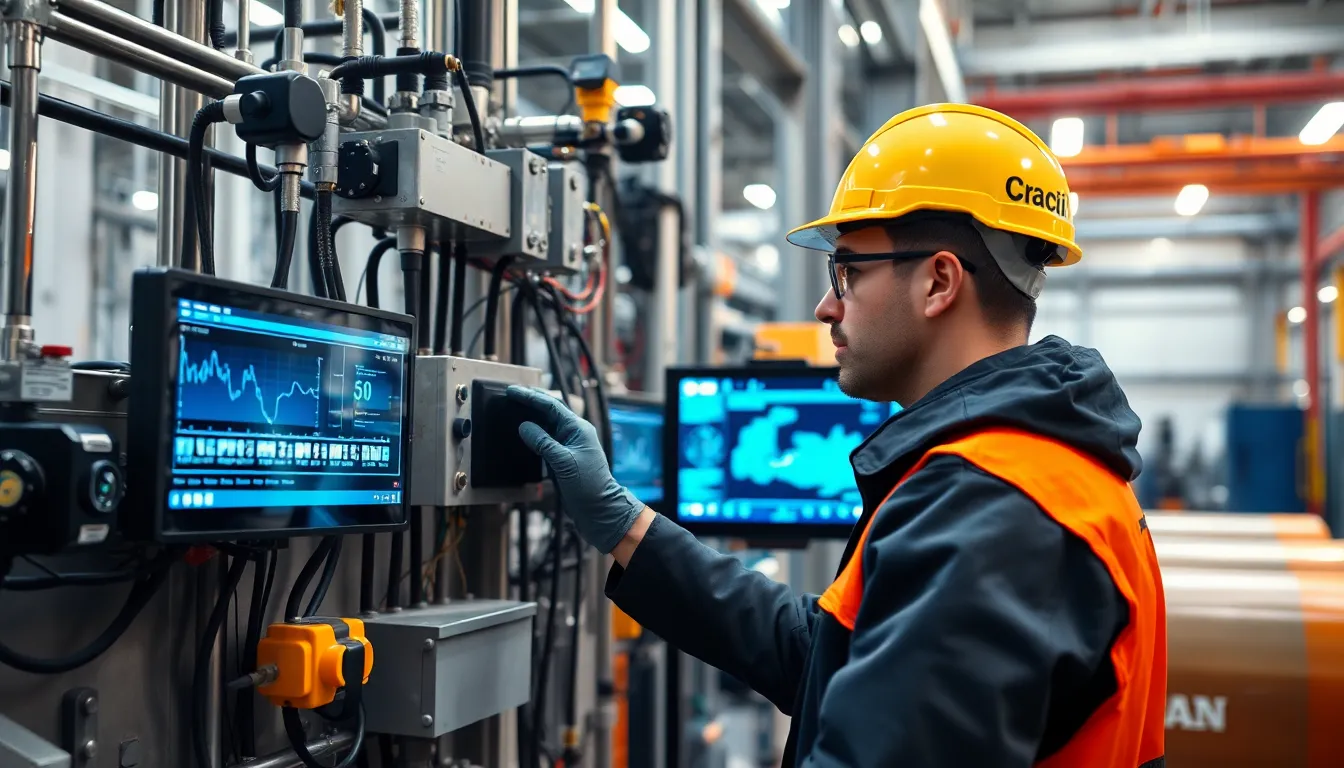
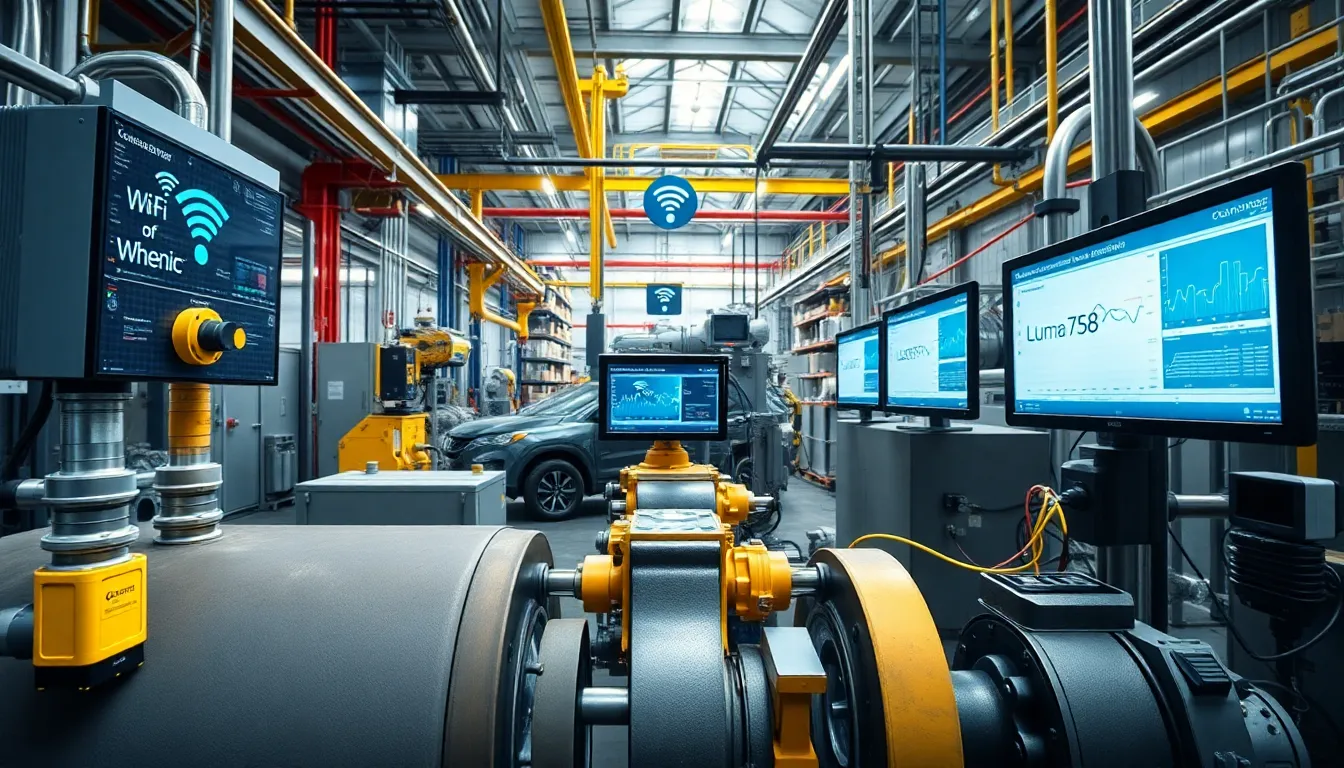
Key components of Industrial IoT solutions enable enhanced connectivity, data collection, and intelligent analysis, allowing companies to streamline operations and improve decision-making. Understanding these components is crucial for leveraging Industrial IoT’s full potential.
Sensors and Actuators
Sensors and actuators play a vital role in Industrial IoT by collecting real-time data and executing commands.
- Sensors measure variables like temperature, pressure, and humidity, providing accurate data for monitoring plant conditions.
- Actuators convert received signals into physical actions, enabling remote control of machinery and processes.
This combination allows continuous monitoring and control, fostering efficiency and timely interventions to prevent potential failures.
Connectivity Technologies
Connectivity technologies ensure reliable communication between devices, creating a seamless network for data transmission.
- Wireless technologies like Wi-Fi, LoRaWAN, and cellular networks support data transfer over vast distances with minimal infrastructure.
- Wired solutions such as Ethernet offer stable connections in industrial environments where high reliability is critical.
These technologies facilitate real-time communication, essential for operational responsiveness and coordination across different processes.
Data Analytics and Cloud Computing
Data analytics and cloud computing transform raw data into actionable insights, driving informed decision-making.
- Data analytics tools analyze large datasets to identify patterns, optimize operations, and improve maintenance schedules.
- Cloud computing provides scalable storage solutions and computing power, enabling organizations to manage and process data efficiently.
Utilizing these technologies supports predictive analytics and enhances overall productivity by offering comprehensive visibility into operations.
Benefits of Implementing Industrial IoT Solutions
Implementing Industrial IoT solutions offers numerous advantages that significantly enhance productivity and operational practices across industries. These benefits include increased operational efficiency, predictive maintenance, and improved safety standards.
Enhanced Operational Efficiency
Enhanced operational efficiency stems from real-time data collection and analysis. Industrial IoT solutions deliver timely insights that streamline processes, reduce delays, and optimize resource allocation. Smart sensors monitor equipment performance, enabling companies to adjust operations based on real-time demands. By automating routine tasks, organizations minimize human error and ensure consistent output quality. Research indicates that firms leveraging Industrial IoT can achieve efficiency gains of up to 30%.
Predictive Maintenance Capabilities
Predictive maintenance capabilities represent a pivotal advantage of Industrial IoT. Real-time monitoring of equipment health allows businesses to identify potential failures before they occur. This proactive approach minimizes unplanned downtime, extends machinery lifespan, and reduces maintenance costs. Studies reveal that predictive maintenance can lead to up to a 25% reduction in operational costs and a 70% decrease in breakdowns, driving substantial financial savings.
Improved Safety and Compliance
Improved safety and compliance standards arise from the advanced monitoring capabilities of Industrial IoT solutions. Sensors can detect hazardous conditions, monitor environmental factors, and ensure regulatory compliance in real-time. By identifying risks, companies enhance workplace safety, reducing the likelihood of accidents. Additionally, automated reporting features aid compliance with industry regulations, ensuring adherence to safety protocols and minimizing legal liabilities. Implementing these technologies leads to safer work environments, fostering employee trust and enhancing brand reputation.
Challenges in Adopting Industrial IoT Solutions
Adopting Industrial IoT solutions presents various challenges that organizations must navigate. Key issues include data security concerns and integration with existing systems.
Data Security Concerns
Data security remains a significant challenge for Industrial IoT implementations. Connected devices create numerous entry points for cyberattacks, increasing vulnerability to data breaches. According to a report by IBM, the average cost of a data breach can exceed $4 million, emphasizing the urgent need for robust security measures. Organizations face risks such as unauthorized access, data manipulation, and unsecured communication channels. Implementing strong encryption, regular software updates, and proper authentication protocols can mitigate these risks, but requires ongoing investment in cybersecurity resources.
Integration with Existing Systems
Integrating Industrial IoT solutions with existing systems poses operational complexities. Organizations often rely on legacy systems that may not support modern IoT technologies. Challenges arise in ensuring data compatibility and achieving seamless communication across diverse platforms. A study by McKinsey indicates that 70% of digital transformation initiatives stall due to integration issues. Without careful planning, organizations may encounter disruptions in operations and reduced efficiency. Developing a comprehensive integration strategy, including adopting standardized protocols and scalable solutions, can facilitate smoother transitions and maximize the benefits of Industrial IoT.
Future Trends in Industrial IoT Solutions
Emerging trends in Industrial IoT solutions promise to reshape the industrial landscape. These advancements focus on enhancing efficiency, security, and overall operational effectiveness.
AI and Machine Learning Integration
AI and machine learning increasingly play vital roles in Industrial IoT solutions. Companies utilize AI algorithms to analyze vast data volumes, identifying patterns and predicting equipment failures. For instance, predictive maintenance powered by AI can reduce unplanned downtime by up to 50%. Manufacturers also leverage machine learning to enhance quality control processes, leading to significant reductions in defects. As AI technologies evolve, their integration with IoT will foster smarter, self-optimizing systems that improve decision-making and drive innovation across various industrial sectors.
Edge Computing Developments
Edge computing is becoming a critical component of Industrial IoT solutions. This technology processes data closer to the source, reducing latency and increasing response times. Organizations adopting edge computing can experience improved real-time analytics, leading to faster decision-making. For example, edge devices in manufacturing environments can monitor equipment health and provide immediate feedback, enhancing operational efficiency. As the demand for real-time insights grows, edge computing’s role in optimizing data handling and reducing bandwidth usage will become even more pronounced, contributing to reduced operational costs and improved performance.