Walking into a hardware store can feel like stepping into a treasure trove for DIY enthusiasts and professionals alike. With aisles packed full of tools, gadgets, and materials, it’s a paradise where creativity meets practicality. Whether someone’s tackling a weekend project or just fixing a leaky faucet, a well-stocked hardware store is the ultimate one-stop shop for all things handy.
But let’s face it—navigating through a sea of hammers, screws, and paint cans can be overwhelming. It’s like trying to find a needle in a haystack, only the haystack is made of power drills and lawn care supplies. Fear not! With a little guidance, anyone can become a hardware store hero, ready to conquer any home improvement challenge with confidence and maybe a few chuckles along the way.
Overview Of Hardware Stores
Hardware stores serve as essential hubs for home improvement projects and repairs. Diverse product offerings include tools, fasteners, paints, electrical supplies, plumbing items, and gardening materials. In these establishments, customers find everything necessary for both simple repairs and complex renovations.
Many hardware stores cater to both DIY enthusiasts and professional contractors. Options range from hand tools like hammers and screwdrivers to power tools such as drills and saws. Extensive selections of materials include wood, metal, and various types of fasteners, ensuring shoppers find what they need.
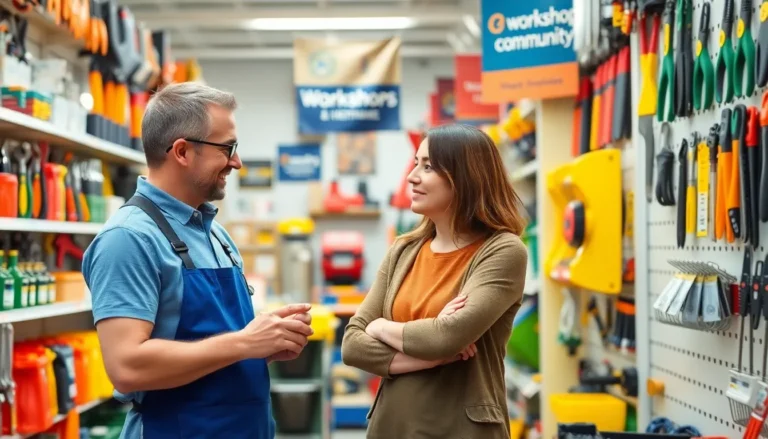
Customer service represents a key component in the shopping experience. Knowledgeable staff members frequently assist customers in selecting the right products for specific tasks. Many stores also offer workshops or demonstrations, facilitating hands-on learning opportunities for newcomers.
While a wide variety of products attracts many shoppers, navigating aisles can overwhelm some. Organizing items by section helps streamline the shopping process. Clear signage and helpful staff reduce confusion and enhance the overall experience.
Some stores emphasize local or sustainable products, appealing to environmentally conscious consumers. These offerings often feature eco-friendly materials, organic gardening supplies, and sustainably sourced tools. Focusing on quality provides customers with long-lasting solutions for their projects.
The rise of online shopping also impacts hardware store operations. Many retailers now maintain an online presence, allowing customers to browse and purchase products at their convenience. Local hardware stores often offer in-store pickup options, blending traditional and modern shopping experiences effectively.
Types Of Products Available
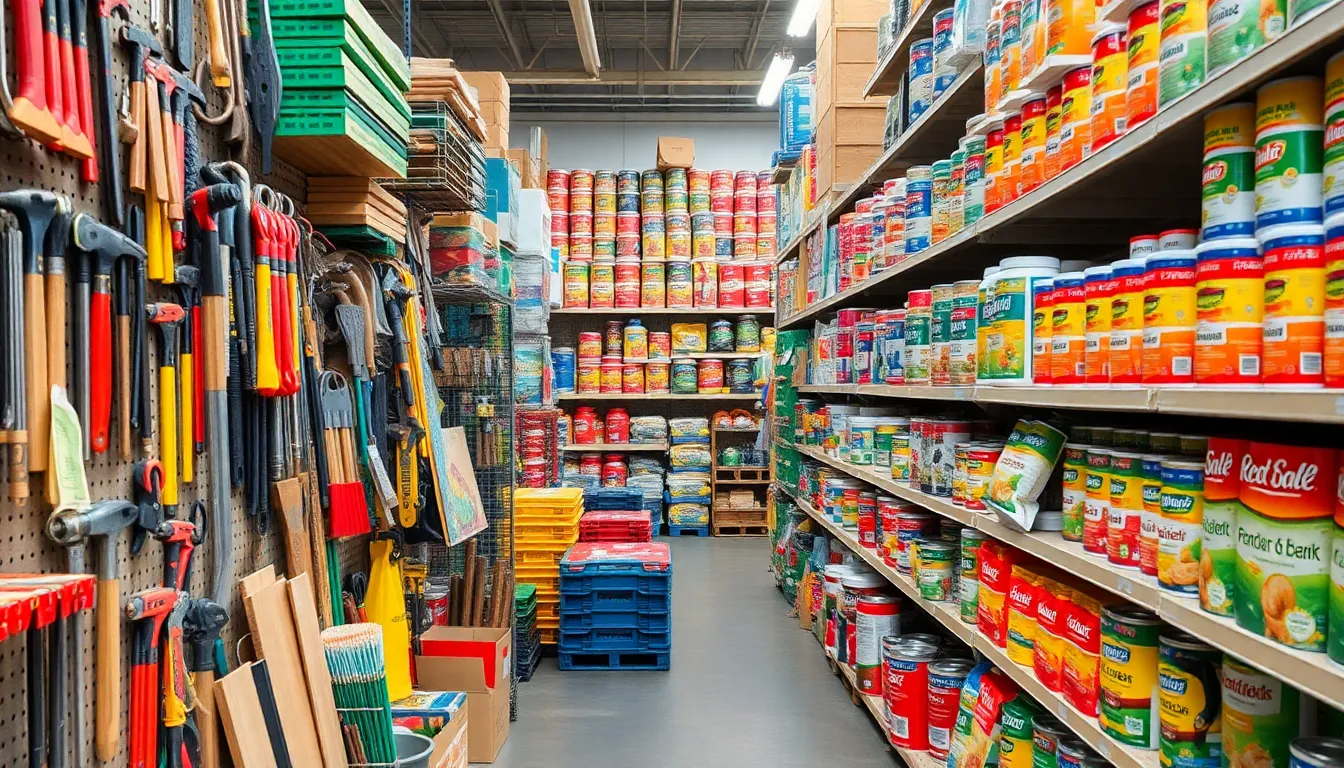
Hardware stores provide an extensive assortment of products tailored to meet the needs of DIY enthusiasts and professionals alike. Shoppers encounter everything from tools to building supplies, making these stores vital for home improvement projects.
Tools And Equipment
Tools and equipment form the backbone of any hardware store. Hand tools like hammers, screwdrivers, and pliers complement power tools such as drills and saws. Specialty items such as tile cutters and laser levels are also available to address specific tasks. Moreover, customers often find tool storage solutions, ensuring they can keep their workspace organized and efficient.
Building Materials
Building materials encompass a variety of essential items for construction and repair. Lumber, drywall, and concrete serve as the primary components for structural projects. Additionally, roofing materials like shingles and insulation products are readily accessible for home maintenance. Many stores also provide siding and masonry supplies, catering to a broad range of building needs.
Home Improvement Supplies
Home improvement supplies include diverse offerings that enhance and maintain living spaces. Paints, stains, and primers come in numerous colors and finishes, allowing for personalization of home aesthetics. Fixtures such as faucets, light bulbs, and electrical boxes play crucial roles in functionality and safety. Gardening supplies, including soil, fertilizers, and pest control products, further expand the selection available to customers, helping them create vibrant outdoor spaces.
Customer Experience
Customer experience in a hardware store plays a vital role in the shopping journey. Shoppers immerse themselves in a rich selection of tools, materials, and services, enhancing their projects.
Store Layout And Accessibility
Store layout significantly impacts the shopping experience. Clear signage directs customers to essential items, promoting efficient navigation. Organized aisles minimize confusion, allowing shoppers to find products quickly. Accessibility factors in as well; wide aisles accommodate carts, leading to a more enjoyable visit. Many stores feature dedicated sections for tools, plumbing, and gardening, fostering a streamlined process. An intuitive layout encourages exploration, revealing hidden gems like specialty tools and innovative gadgets.
Staff Knowledge And Assistance
Staff knowledge and assistance enhance customer experience. Trained employees are readily available to answer questions about products and offer expert advice. Shoppers often benefit from personalized recommendations tailored to specific projects. Many stores conduct workshops, empowering customers with hands-on skills and confidence. Employees are equipped to guide shoppers through complex tasks, facilitating a smoother shopping process. Their expertise not only ensures that customers find the right tools but also fosters a sense of community within the store.
Pricing And Value
Pricing and value represent essential aspects of the hardware store experience. Customers often find competitive prices on a wide range of products, which makes shopping here appealing.
Comparison With Online Retailers
Hardware stores often offer pricing that competes well with online retailers. Instant gratification drives many shoppers to prefer in-store purchases; they can physically inspect items before buying. Some may also appreciate the ability to ask questions and receive immediate feedback from knowledgeable staff. While online retailers may provide lower prices on select items, shipping costs and delays can diminish those savings. Another advantage of local stores includes building relationships with staff who offer personalized service. Lastly, supporting local businesses contributes to community growth, which resonates with many consumers.
Promotions And Discounts
Promotions and discounts attract customers to hardware stores regularly. Seasonal sales on paints, tools, and outdoor supplies often happen, allowing shoppers to stock up. Loyalty programs provide additional incentives, rewarding repeat customers with special offers or discounts. Clearance sections showcase limited-time deals, helping shoppers find quality items at reduced prices. Lastly, bulk-buy discounts encourage purchasing multiple items; this often benefits contractors and DIYers alike. Overall, these strategies enhance the value perception of shopping at hardware stores.
Visiting a hardware store offers a unique blend of inspiration and practicality for anyone tackling home improvement projects. The vast selection of tools and materials caters to diverse needs and skill levels. With knowledgeable staff ready to assist and guide shoppers through their choices the experience becomes both enjoyable and educational.
The focus on customer experience ensures that navigating the aisles feels less overwhelming. By blending traditional shopping with modern conveniences like online browsing and in-store pickup hardware stores remain vital to the DIY community and professional contractors alike. Embracing these local hubs not only supports individual projects but also strengthens community ties.